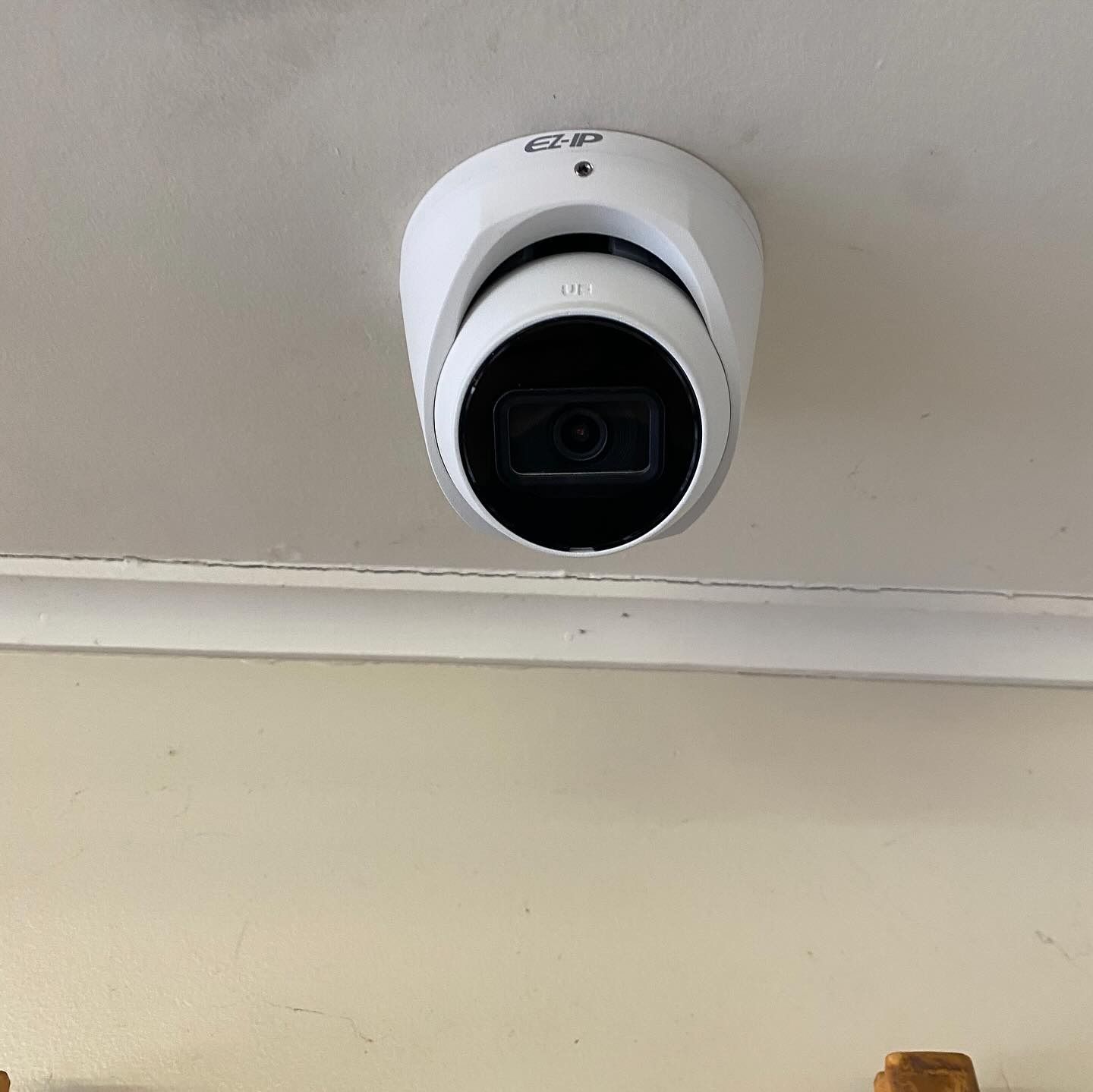
Wired Vs Wireless Security Cameras — Which Suits Your Property Best?
Choosing the right security camera system is an important decision for any property owner. Whether the goal is to protect a family home, monitor a business or improve overall peace of mind, the type of system installed can influence reliability, coverage and long-term performance. One of the first choices people face is deciding between wired and wireless security cameras. When looking into security cameras in Cairns, understanding how each option works and where it performs best can help property owners make clearer, more confident decisions.
Understanding How Security Camera Systems Work
Security camera systems are designed to monitor activity, record footage and provide visibility across key areas of a property. The primary difference between wired and wireless systems lies in how they receive power, transmit footage and integrate with recording equipment.
Wired security cameras connect directly to power and a central recording device, creating a closed system with consistent data transmission. Wireless security cameras also require power but send footage via a Wi-Fi network, allowing for greater flexibility in placement. Both options can be effective, but each suits different property layouts and usage requirements.
What Defines a Wired Security Camera System
Wired security cameras rely on physical cabling for both power and data. Each camera is connected back to a recorder, which stores footage locally and operates independently of internet connectivity.
Key characteristics of wired systems include:
- Stable video quality not affected by Wi-Fi strength
- Continuous power supply without reliance on batteries
- Centralised recording for easier long-term storage
Because wired systems are not dependent on wireless signals, they are less likely to experience interference, dropouts or lag. This makes them a strong option where consistent monitoring is essential.
When Wired Security Cameras are a Good Fit
Wired systems are often best suited to larger properties or environments where uninterrupted footage is important. They are commonly installed in homes or buildings with multiple access points or wider boundaries to monitor.
Wired security cameras are frequently used in:
- Larger residential homes
- Commercial premises and offices
- Warehouses and storage facilities
- Properties requiring continuous recording
Although installation requires more planning, many property owners see long-term reliability as a worthwhile trade-off.
Understanding Wireless Security Cameras
Wireless security cameras transmit footage through a Wi-Fi network rather than physical data cables. While they still need power, the lack of cabling allows for quicker installation and easier adjustments.
Wireless systems are commonly chosen for their:
- Faster setup with minimal disruption
- Ability to reposition cameras as needs change
- Reduced need for structural modifications
This flexibility makes wireless cameras appealing for properties where permanent wiring is not practical.
When Wireless Security Cameras Make Sense
Wireless security cameras are often a good choice for smaller homes, rental properties or locations where running cables is not possible. Their adaptability makes them suitable for changing security needs.
Wireless systems are commonly used in:
- Apartments and units
- Rental properties
- Smaller residential homes
- Temporary or short-term monitoring situations
For property owners exploring security cameras in Cairns that can be installed quickly and adjusted easily, wireless systems are often considered first.
Comparing Reliability and Performance
Reliability is one of the most important factors when choosing a security camera system. Wired systems generally offer greater consistency because they do not depend on internet connectivity.
Wireless cameras rely on:
- Wi-Fi signal strength
- Network stability
- Available bandwidth
In properties with strong and reliable internet coverage, wireless systems can perform well. In larger properties or areas with weaker connectivity, wired systems often provide more dependable performance.
Installation Considerations For Each System
Installation requirements vary significantly between wired and wireless systems. Wired cameras typically involve running cables through walls, ceilings or exterior spaces, which may require professional installation.
Wireless systems usually require:
- A secure mounting location
- Access to power
- Reliable Wi-Fi coverage
For property owners seeking minimal disruption, wireless systems can be appealing. For those planning long-term security solutions, professionally installed wired systems may deliver greater peace of mind.
Budget And Long-Term Costs
When comparing systems, it is important to look beyond the upfront price. Wired systems may involve higher initial installation costs but often require less ongoing maintenance.
Wireless systems may:
- Cost less to install initially
- Require battery replacements
- Use subscription-based cloud storage
Understanding both short-term and long-term costs helps property owners choose a system that suits their budget over time.
Scalability And Future Expansion
As security needs change, the ability to expand a system becomes important. Wired systems can be expanded but may require additional cabling and installation work.
Wireless systems typically allow:
- Easier addition of extra cameras
- Flexible placement as layouts change
- Simpler upgrades over time
For growing households or businesses, scalability can influence which system is more suitable.
Choosing The Right Option For Your Property
There is no single security camera solution that suits every property. The best choice depends on factors such as property size, layout, installation preferences and how the system will be used day to day.
Key considerations include:
- Property layout and access points
- Desired reliability and recording quality
- Installation constraints
- Budget and future plans
Evaluating these factors helps narrow down the most practical solution.
Why Local Expertise Matters
Local conditions can influence how security systems perform. Climate, building materials and connectivity all affect system reliability.
Professionals experienced with security cameras in Cairns understand:
- Local installation challenges
- Environmental considerations
- System configurations suited to the region
Local knowledge helps ensure security systems are designed to perform effectively in real-world conditions.
Making An Informed Security Choice
Both wired and wireless security cameras offer clear advantages depending on the situation. Wired systems provide consistency and stability, while wireless systems deliver flexibility and ease of installation.
By understanding how each option works and how it suits different property types, owners can make informed decisions that support long-term security.
Finding The Right Security Camera Solution In Cairns
Security camera systems work best when they are properly matched to the property and installed with care. Both wired and wireless options have a place, depending on individual needs.
We at DGC Tech Solutions assist property owners in selecting and installing security cameras in Cairns for homes and businesses seeking reliable monitoring solutions. To learn more or discuss which system suits your property, visit our website.